


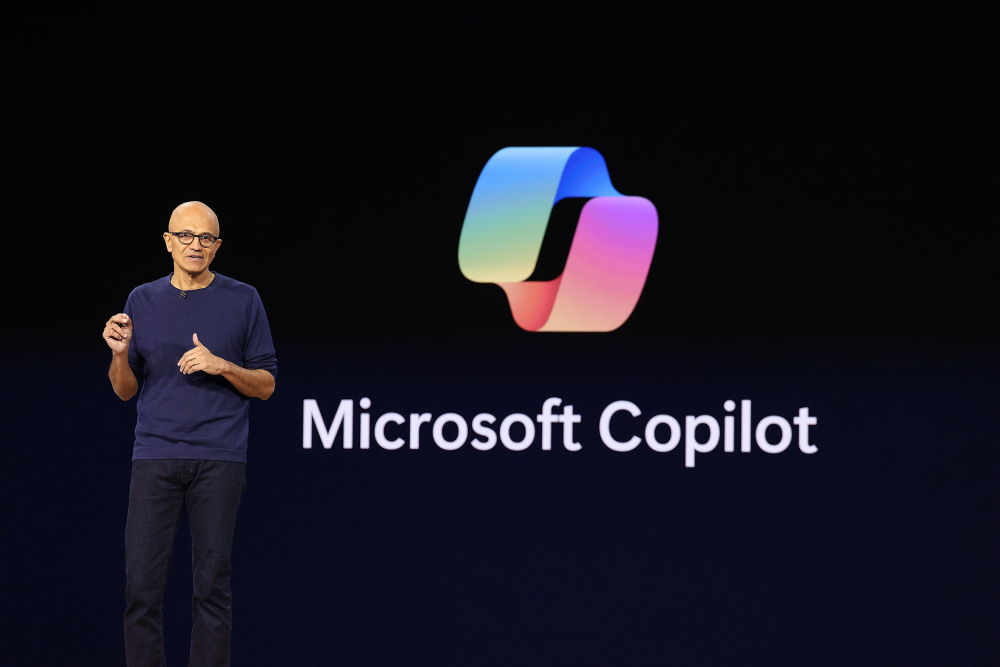
AI PC market moved quickly after the first generation of limited AI PCs hit the market a few months ago.
Microsoft and Qualcomm’s Snapdragon X Elite kicked off the second generation. While those products were impressive, they didn’t address three key markets: workstation-class machines, gaming PCs, or PCs for professional creators. They were fine for most of us but weren’t performant for the people who build, create, and play the most powerful games or the software and hardware engineers who are building AI solutions.
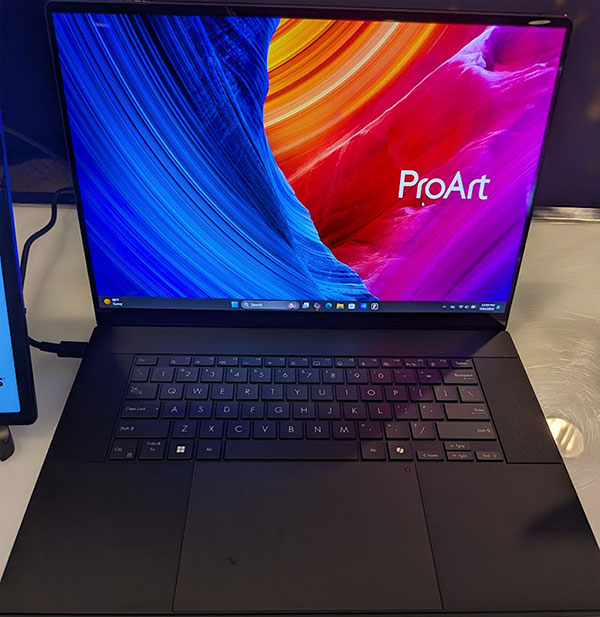
Microsoft’s Flawed AI PC Copilot+ Launch
Whenever a new platform emerges, like AI now, the initial problem is a lack of applications.
Microsoft targeted its AI PC launch on users with two new applications: Recall and Cocreator. Microsoft should have focused first on developers. As Steve Ballmer once said, “Developers, developers, developers.”
However, the initial product Microsoft brought to market was focused on users, not developers. Microsoft seemed to go out of its way to ignore developers by neglecting workstation-class laptops, which have GPUs, and all desktops. Many of us who work on PCs for a living prefer desktops for their sheer power.
Not only did this reduce the capabilities of those building for AI, but Recall was so poorly presented that even though it kept the data it collected safely on the PC from which it was collected — which is unusual given that Microsoft is one of the leading cloud vendors — people believed it was a security risk, so Microsoft was forced to pull it back.
The really annoying thing is that there was no Copilot+ solution for performance PCs and workstations, even though high-end discrete GPUs easily outperform NPUs and are already in the market. Even more unbelievable, Nvidia’s GPU technology was used to create the generative AI that Microsoft uses, OpenAI’s ChatGPT.
